
Utah’s diverse landscapes and vibrant communities make it a wonderful place to live and drive. However, with the freedom of driving comes the responsibility of being properly insured. Having the right coverage is crucial to protect yourself, your family, and your assets.
Utah has specific auto insurance requirements that all residents must comply with. Understanding these requirements and the various types of insurance available can be overwhelming, but it’s essential for making informed decisions.
This guide will walk you through the process of finding the best car insurance in Utah. By comparing quotes from multiple providers, you can ensure you’re getting the best rates for your protection. We’ll cover the costs, providers, and ways to save, helping you drive with peace of mind through Utah’s scenic routes.
Understanding Insurance Requirements in Utah

To drive legally in Utah, understanding the state’s insurance requirements is crucial. Utah operates under a no-fault insurance system, which requires drivers to carry specific mandatory coverages.
Mandatory Coverage Types
Utah law mandates that drivers have bodily injury liability and property damage liability coverage. Additionally, drivers are required to have personal injury protection (PIP) coverage, which helps pay for medical expenses regardless of fault.
Minimum Coverage Limits
The minimum auto insurance requirements in Utah are as follows: $30,000 per person and $65,000 per accident for bodily injury, $25,000 per accident for property damage, and $3,000 per person for personal injury protection. While these are the minimum limits, many drivers choose to purchase higher coverage limits for added protection.
It’s also important to note that drivers must carry proof of insurance at all times and present it to law enforcement upon request. The Utah Insurance Department regulates these requirements and provides resources for consumers to ensure compliance.
Types of Auto Insurance Utah Drivers Need

When it comes to auto insurance in Utah, there are several key types to consider. Utah drivers need to understand the different coverages available to them to make informed decisions.
Liability Coverage Explained
Liability coverage is a crucial component of Utah auto insurance. It includes bodily injury and property damage coverage, protecting drivers from financial losses if they’re found legally responsible for an accident.
Personal Injury Protection
Personal Injury Protection (PIP) is another essential coverage in Utah’s no-fault system. It reimburses a portion of medical expenses and lost wages for eligible injured parties, regardless of fault.
Optional Coverage Worth Considering
Beyond the minimum requirements, Utah drivers may want to consider additional coverages, such as comprehensive and collision coverage, to protect their vehicles against various risks.
Average Cost of Insurance in Utah

Knowing the average car insurance cost in Utah helps drivers make informed decisions. The average cost of car insurance in Utah is $1,386 per year, according to thezebra.com. This is 9% lower than the national average.
Factors Affecting Your Premium
Several factors affect your auto insurance premium in Utah. Your driving record, age, location, vehicle type, and credit score all play a role in determining your rates. For instance, drivers with a clean record and good credit score typically pay less for insurance.
How Utah Compares to National Averages
Utah’s average car insurance cost is 9% lower than the national average. This makes it relatively more affordable for drivers in the state. However, rates can vary significantly depending on individual factors, so it’s essential to compare quotes from different providers.
Top Insurance Providers in Utah
Utah drivers can find reliable auto insurance from leading providers like Liberty Mutual, GEICO, and Nationwide. These companies offer competitive rates and customized coverage options tailored to individual needs.
Liberty Mutual
Liberty Mutual customizes your Utah auto insurance, so you only pay for what you need. Their flexible coverage options and efficient claims service make them a popular choice.
GEICO
GEICO offers a great combination of superior customer service and affordable rates. They also provide various discounts on Utah car insurance, making them a competitive option.
Nationwide
Nationwide makes it easy to find dependable auto insurance in Utah. They offer a range of options to choose from, ensuring you find the coverage that’s right for your needs and budget.
Other top providers in Utah include State Farm, Progressive, and local insurance companies. It’s essential to compare quotes from multiple insurers to find the best insurance quote for your situation, whether you’re in Salt Lake City or elsewhere in the state.
How to Save on Your Insurance Utah Policy
Saving on your insurance policy in Utah can be straightforward with the right strategies.
Bundle and Save Opportunities
Bundling your car and home insurance can lead to significant savings of up to 20% with providers like Nationwide.
Safe Driver Discounts
Programs like Liberty Mutual’s RightTrack® reward good driving behavior, offering savings of up to 30% on your car insurance policy.
Other Ways to Lower Your Premium
Additional ways to save include online purchase discounts, vehicle safety features, and maintaining a clean driving record.
Special Considerations for Utah Drivers
Utah drivers face unique challenges due to the state’s diverse geography and specific regulations. The state’s varied terrain, which includes mountains, deserts, and salt flats, demands careful attention from drivers to ensure safe and effective navigation.
Teen Driving Laws and Insurance
Utah has implemented a graduated driver licensing program for teens, which includes several key requirements. Starting at age 15, teens can obtain a learner’s permit, allowing them to drive with an approved instructor or a licensed parent or guardian. To qualify for a Utah driver’s license at age 16, teens must have held the permit for at least 6 months and completed a minimum of 40 hours of supervised driving, including at least 10 hours at night. Additionally, drivers under 17 are restricted from driving between midnight and 5 AM, except under certain conditions. Adding a teen driver to an insurance policy can significantly increase premiums, but strategies such as good student discounts can help mitigate these costs.
Driving in Utah’s Unique Terrain
Utah’s diverse landscapes present various driving challenges. The Bonneville Salt Flats, for instance, require drivers to stay on existing roads to preserve the area. Utah’s elevation changes can also affect vehicle performance, and drivers should be aware of these impacts. Furthermore, seasonal driving challenges, such as winter snow in mountain areas and summer heat in desert regions, necessitate adjustments in driving habits and vehicle maintenance. Outdoor enthusiasts who take their vehicles off-road or to remote areas should consider additional insurance coverage to protect against potential risks.
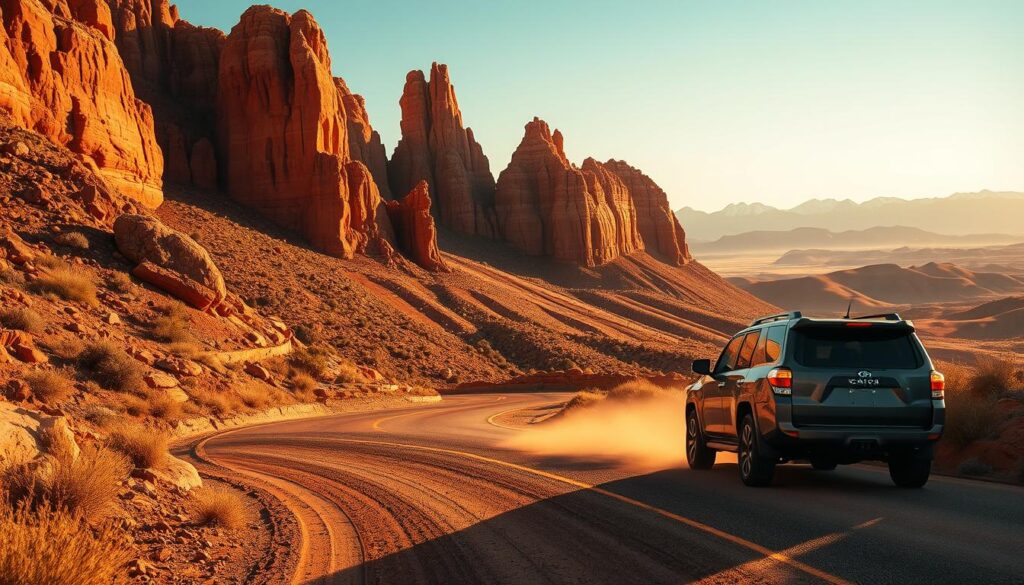
To navigate Utah’s roads safely, drivers must be prepared for the state’s unique conditions. This includes understanding the implications of driving in high elevations and taking necessary precautions when driving through areas like the Bonneville Salt Flats. By being aware of these factors and adjusting their driving habits accordingly, Utah drivers can reduce their risk of being involved in an accident and ensure a safe driving experience.
What Happens If You Drive Without Insurance in Utah
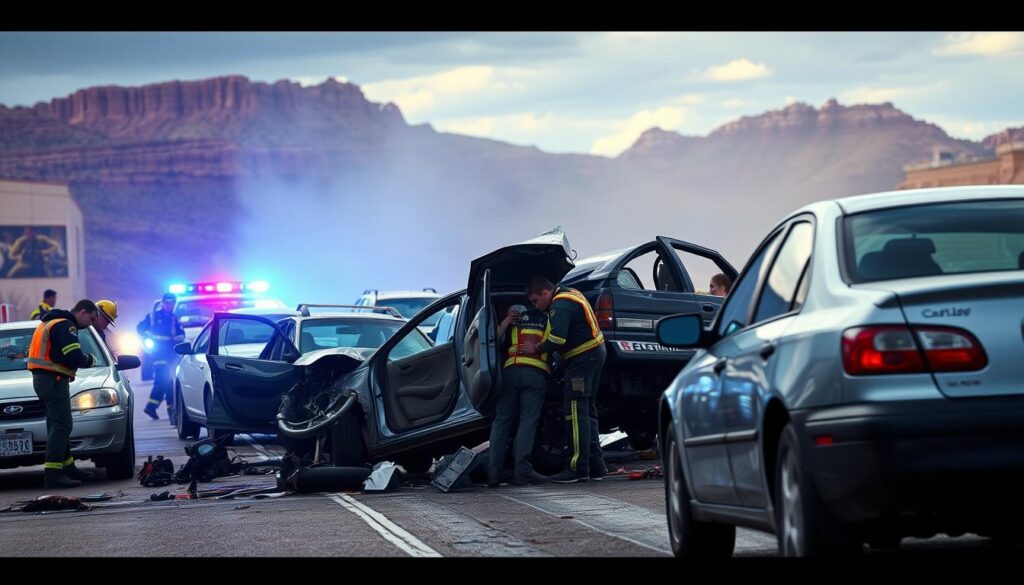
Utah requires all drivers to have auto insurance to legally operate a vehicle. Driving without insurance can lead to severe consequences, including legal penalties and significant financial risks.
Legal Consequences
Driving without insurance in Utah can result in fines, license suspension, and vehicle registration suspension. Utah’s electronic verification system identifies uninsured vehicles, making it harder to avoid detection.
Financial Risks
If you’re involved in a car accident without insurance, you may be personally liable for damages and medical costs. This can lead to financial hardship and potentially higher premiums in the future due to SR-22 requirements.
How to Choose the Right Insurance Coverage
Choosing the right car insurance in Utah can be a daunting task without understanding your personal needs and risk factors. To make an informed decision, it’s crucial to assess your individual circumstances.
Assessing Your Personal Needs
Assessing your personal needs involves evaluating your assets to protect, driving habits, and vehicle value. Consider whether minimum coverage is sufficient or if higher limits are recommended based on your financial situation and the value of your vehicle.
Getting and Comparing Quotes
To get the best auto insurance quote, it’s essential to compare quotes from multiple providers. Understand the policy details beyond the premium cost, including how deductibles work and choosing the right deductible amount for your financial situation.
When comparing insurance quotes, consider the following checklist:
– What is the coverage limit for liability, personal injury protection, and comprehensive/collision coverage?
– Are there any additional features or riders available?
– How do the insurance companies handle claims?
– What are the available discounts, and how can you qualify for them?
Steps to Purchase Insurance in Utah
The process of buying car insurance in Utah can be completed efficiently with the right information.

Required Documentation
To purchase utah auto insurance, you’ll need to provide certain documents, including your driver’s license, vehicle information, and personal details.
Online vs. Agent Purchase Options
Utah residents can choose to buy insurance online or through a local agent. Both options have their benefits, including convenience and personalized service, respectively.
When buying a policy in Utah, it’s essential to understand the state requirements and how they impact your vehicle registration. After purchasing a policy, you’ll receive proof of insurance and policy documents. You’ll need to update your vehicle registration with the Utah DMV to reflect your new insurance information.
To finalize your insurance, you may need to undergo a vehicle inspection, depending on the state requirements. The timeline from quote to coverage can vary, but your policy will become active once the payment is processed.
Conclusion
In summary, Utah drivers must navigate various insurance coverages to ensure adequate protection. To find the best car insurance in Utah, compare quotes from multiple providers to secure the best rates and take advantage of available discounts. Regularly reviewing your auto insurance needs as life circumstances change is crucial. Don’t drive without proper coverage, as the consequences can be severe.
For peace of mind, balance cost with adequate protection. Consider consulting an insurance professional to tailor coverage to your specific needs. By doing so, you’ll be well-protected on Utah’s roads.